
One of the most common things we hear from homeowners is, "I don't live in a flood zone, so I don't need flood insurance."
It's an understandable assumption. If a flood map shows your property in a low-risk area, flooding may not seem like a concern. The challenge is that flood maps are only one piece of the puzzle. While they identify areas with known flood risk, they can't predict every storm, drainage problem, or local condition that could cause water to enter a home. That's one reason many flood claims come from properties located outside high-risk flood zones.
The Rainstorm Nobody Saw Coming
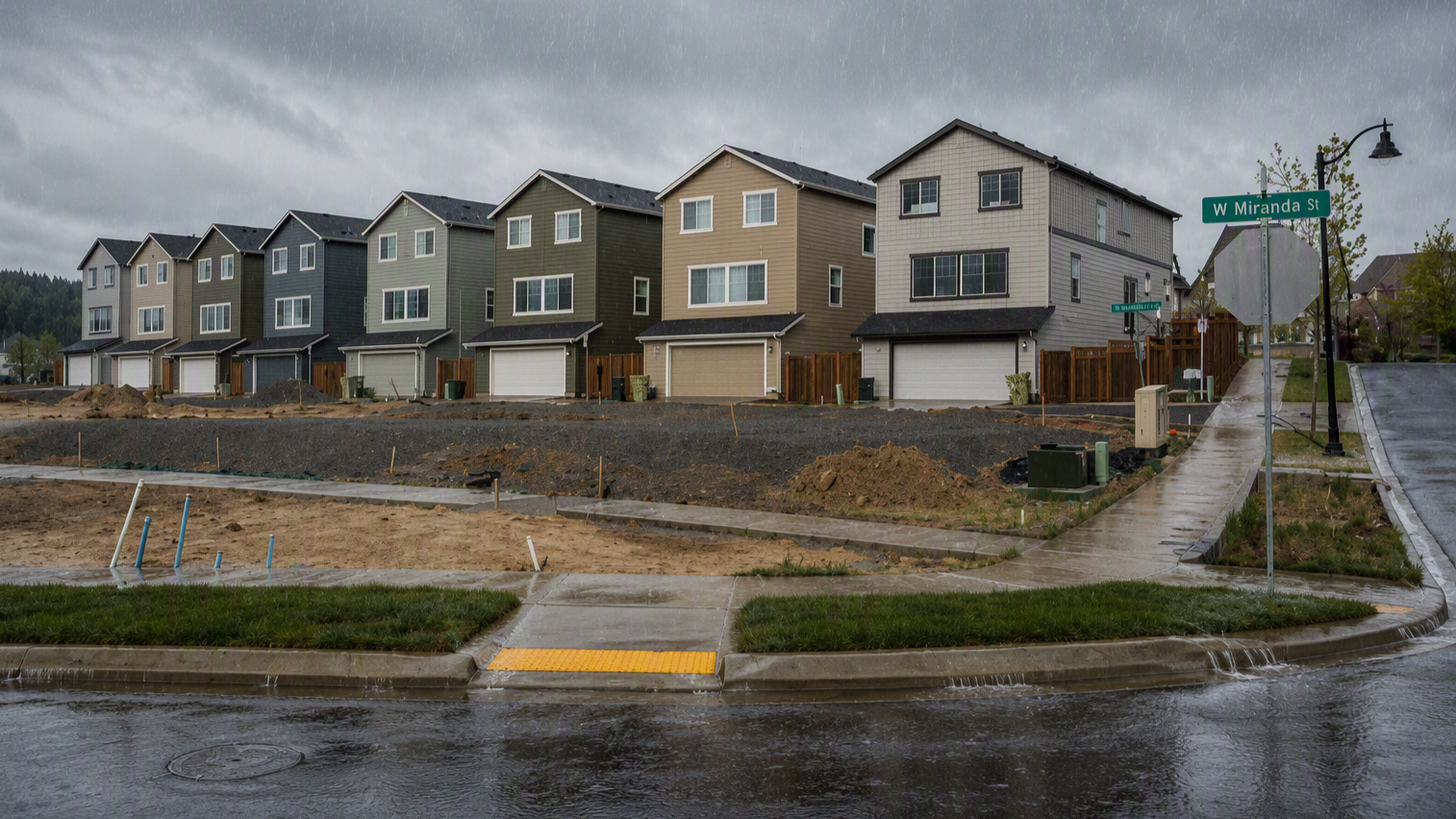
A homeowner may live in the same house for years without ever experiencing a flood. Then a slow-moving storm drops several inches of rain in a short period of time, storm drains become overwhelmed, and water begins to collect around the property. Before long, floodwater enters the home, damaging floors, walls, furniture, and personal belongings.
In situations like these, the flood map wasn't necessarily wrong. It simply couldn't account for the specific circumstances that created the loss. Flood maps help identify risk, but they aren't a guarantee that flooding can't happen elsewhere.
Development Can Change Flood Risk
Flood risk can also change over time. New roads, shopping centers, and housing developments can alter drainage patterns and increase runoff during heavy rain events. A neighborhood that rarely had water issues years ago may experience different conditions today.
Because communities continue to grow and change, a property's actual flood exposure may not always match what homeowners expect based on past experience alone.
Looking Beyond the Map
Many people think of flooding as a major disaster that only affects homes near rivers or coastlines. Even a few inches of floodwater can lead to costly repairs and significant disruption. That's why it's important to look beyond a flood zone designation when evaluating risk. Factors such as local drainage, property elevation, nearby development, and weather patterns can all play a role. Flood maps remain a valuable tool, but they were never intended to tell the entire story.
Final Thought
Flood maps provide useful information, but they shouldn't be viewed as the final word on flood risk. Every property is different, and the factors that contribute to flooding extend far beyond the lines drawn on a map.
A low-risk designation is certainly good news. Just remember that low risk and no risk are not the same thing.
If you have any questions about flood insuance, plesae contact us. We’re happy to help.